Skip to content
Take the Leadballroom and latin

About us

About us

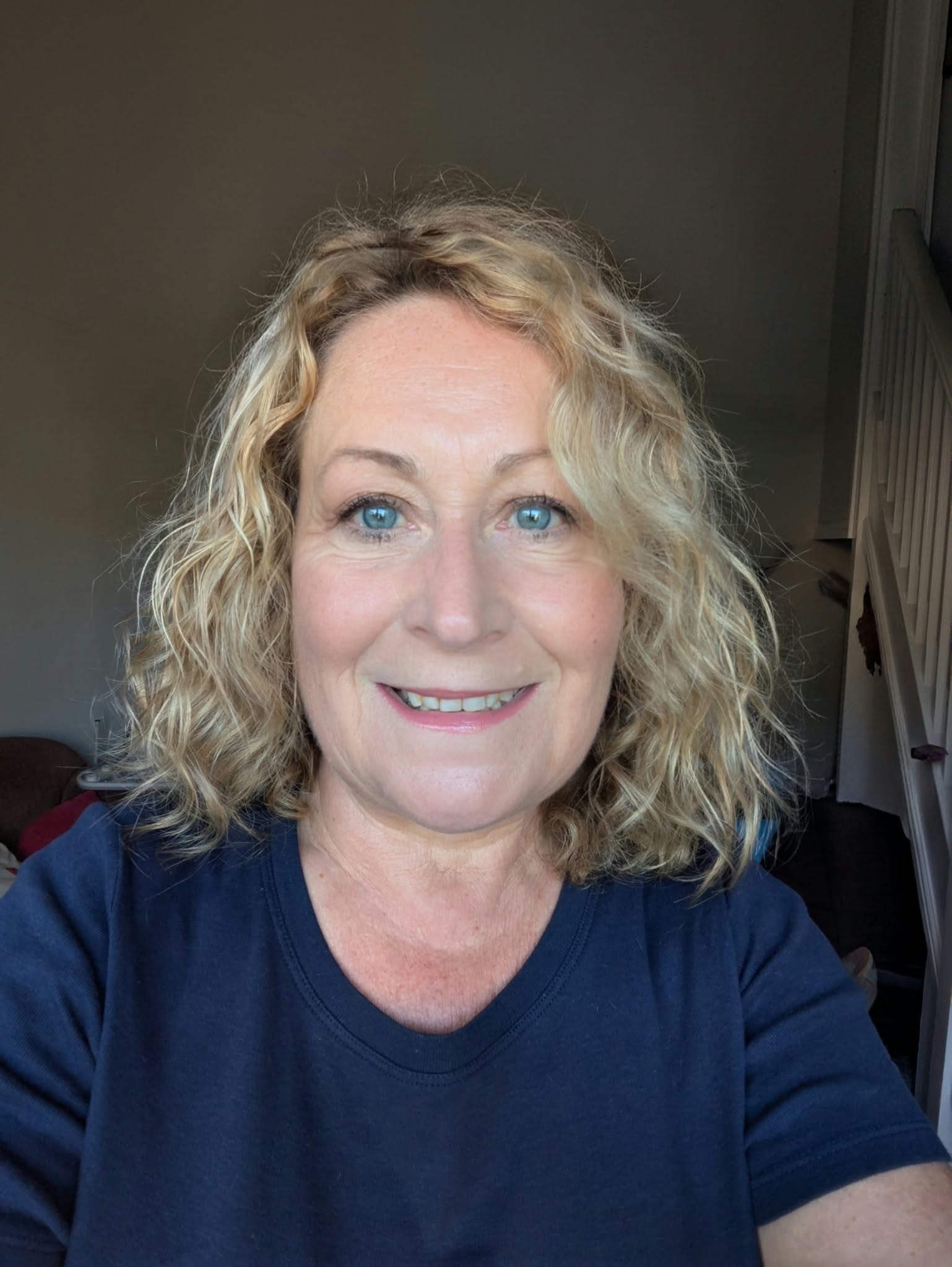
Val Kershaw

Val Kershaw

Associate in Ballroom, Latin & Argentine Tango with the IDTA

I am an Associate in Ballroom, Latin & Argentine Tango with the IDTA. I was born into a dancing family and so have danced for a very long time. I started the dance school a number of years ago and have been delighted with the enthusiasm of all of you that have attended.

My aim has always been to see people having fun and a great social experience through dance and music, and I see just that from children through to the oldest of my dancers. Come along and join the fun!

What we teach

Our dances

Ballroom

Waltz (Slow Waltz)

Elegant and flowing, this lovely dance is danced around the room in a closed hold in an anti-clockwise direction. It is slow and graceful and often used for wedding dances. It was also thought a disgraceful dance when first introduced due to the closeness of the partners!

Viennese Waltz

The original type of waltz, danced in a circular fashion to music twice the speed of the slow waltz (we don’t dance that fast). It has very few steps, however these have to be mastered well in order to maintain the beautiful flow of the dance around the floor.

Quickstep

Lively, light and fast, as the name suggests, this is a fun dance right from the beginner steps through to the trickier ones. The upbeat melodies that quickstep is danced to make it suitable for both formal and informal events.

Quickstep was developed in the 1920s in New York City. Its origins are in a combination of slow foxtrot and the Charleston, a dance which was one of the precursors to what today is called swing dancing.

Tango

Full of character and sharp staccato movements, this dance was developed from its Argentinian origins into an internationally recognised standard for Ballroom. It’s dramatic, strong and full of mood.

Foxtrot

A smooth and progressive dance characterised by a continuous flowing movement around the dance floor. It is most often danced to big band music. Developed in the early 1900s, it remains popular today.

Latin

Rumba

The slowest of the Latin dances, it is sensual and rhythmical, with the man showing off his partner through the movements of the dance. A lovely dance to learn the basics of due to its gentle nature, however the key is mastering the timing.

Cha Cha Cha

With many similarities to the Rumba, the main difference is the timing. This is a fun and cheeky dance with lots of energy, danced to really upbeat music. There are many dance tracks that can be used for a Cha Cha Cha.

Jive

There are several styles of Jive including Ballroom Jive, Rock n Roll and Lindy Hop. They have different characteristics and timings and are danced to different styles and eras of music, but they are all great fun, upbeat and full of energy. We teach several styles.

Samba

A true carnival-feeling dance, and the music has a real party flavour. The upper body remains relatively still, with most of the movement happening from the waist down and the arms and hands responding to the hip and leg movements.

Paso Doble

Originating in Spain and developed in France, this is a dramatic dance with a definite flavour of Flamenco. The music has ever-changing rhythms and tells a story through sharp staccato movements and dramatic poses.

Social & Swing

Argentine Tango

A dance that has different styles using a variety of music. It is all about musical interpretation and the giving and receiving of control between the partners. Connection is the key, and this is an amazing dance to learn the art of working together. A very sensual and powerful dance.

Lindyhop

The original dance from which Jive and Swing styles were developed. It includes 6 and 8 count moves and Charleston steps to make a fun and versatile dance with so many variations. Lots of opportunities for both partners to add individual style to their steps whilst maintaining a great connection and partnership.